2026 MASNS Conference
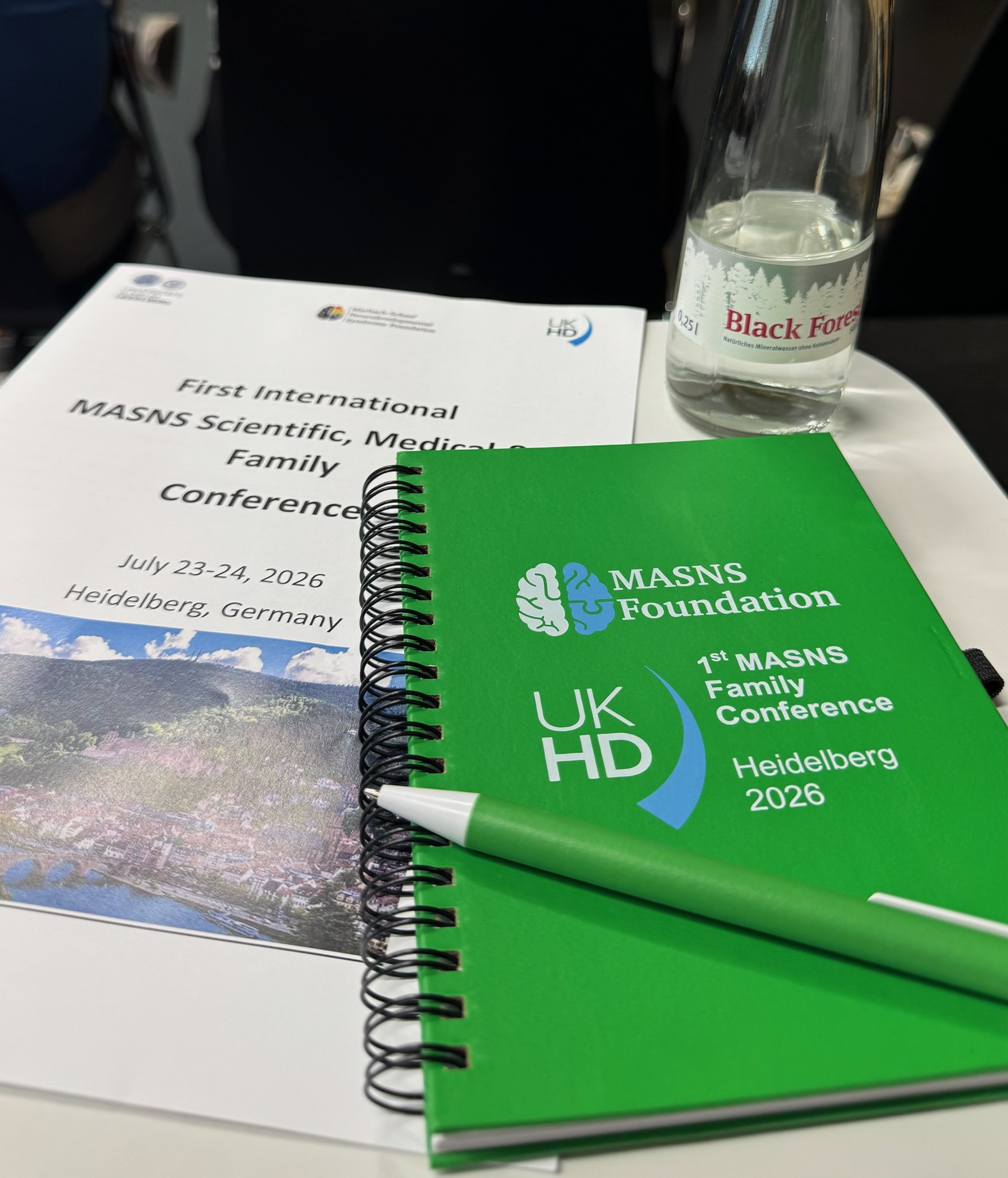
The Inaugural MASNS Scientific, Medical, & Family Conference
July 23–24, 2026 | Heidelberg, Germany
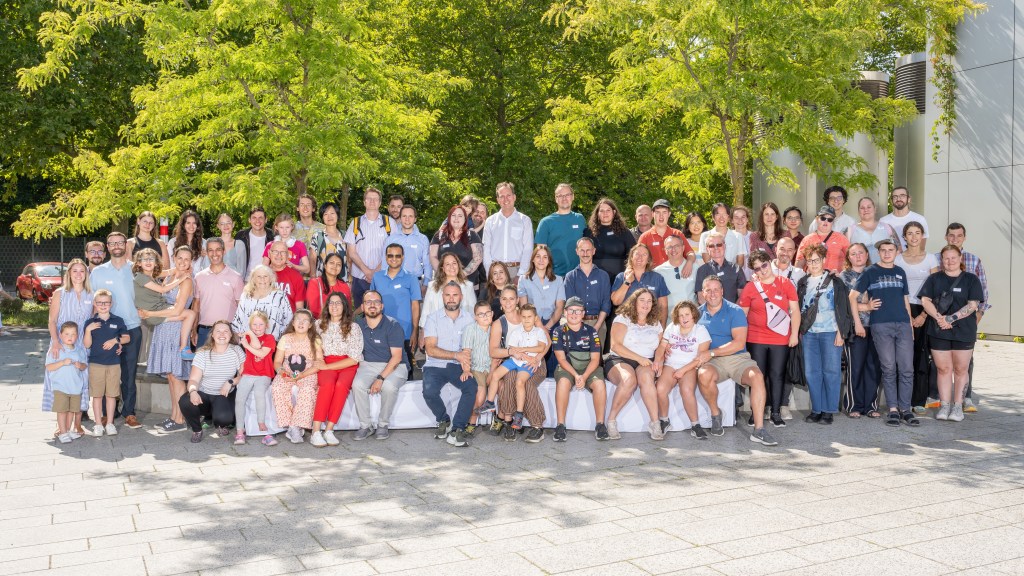
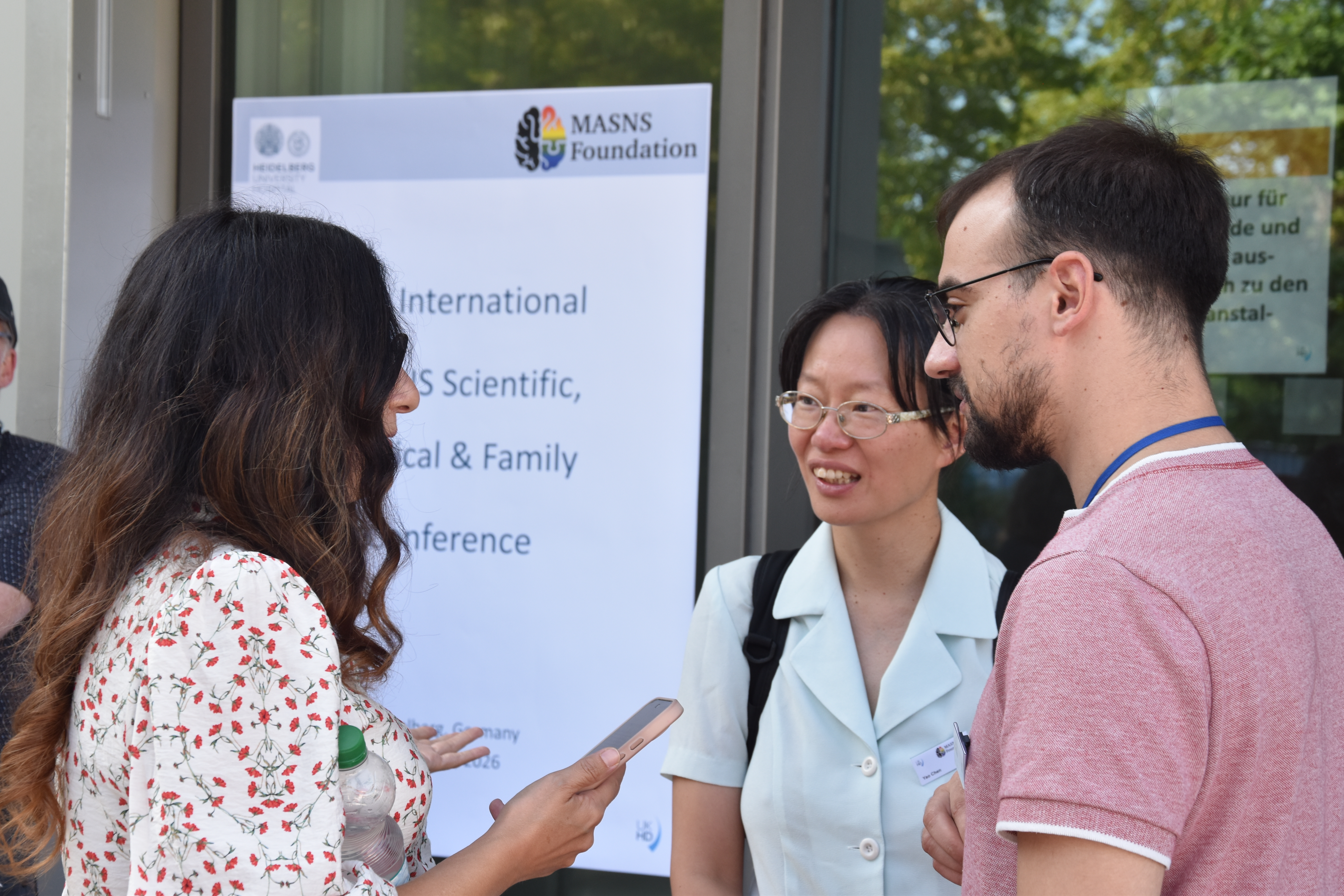
In July 2026, families, clinicians, and researchers from around the world came together in Heidelberg, Germany, for the inaugural MASNS Scientific, Medical, and Family Conference. Co-organized by the MASNS Foundation and Heidelberg University Hospital, this landmark gathering created an opportunity to bring the international MASNS community together in one place for the first time.
Over the course of the two-day meeting, families shared experiences, discussed the challenges associated with MASNS, and learned about emerging research into new diagnostic tools and potential therapeutic approaches for the condition. The conference represented an important milestone for our community, which has faced the challenges of both geographic separation and navigating a complex and still-developing scientific understanding of the disorder. By creating space for families and researchers to connect directly, the meeting helped lay a foundation for stronger collaboration, continued research, and future opportunities for the MASNS community to come together.
Bringing the International MASNS Research Community Together
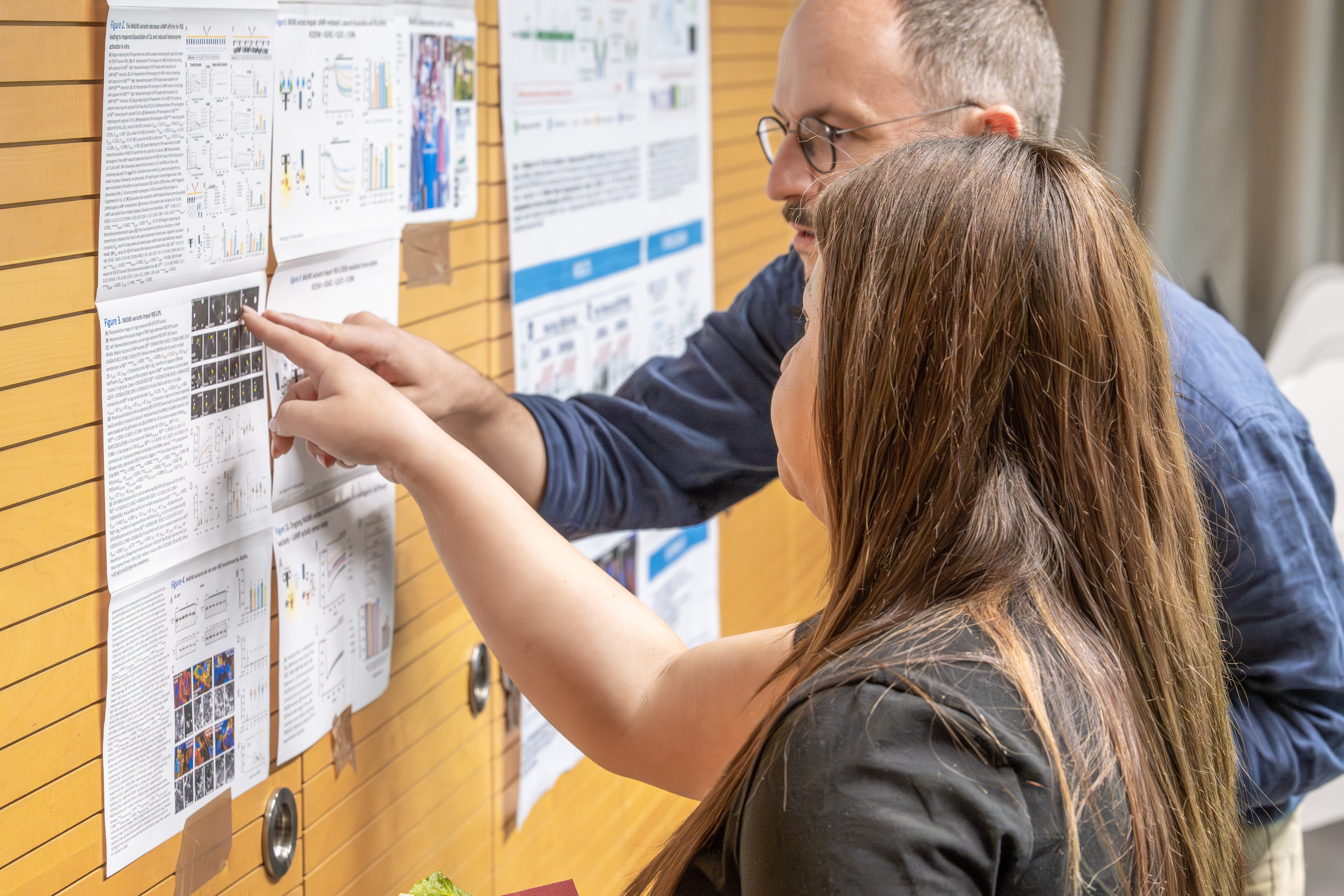
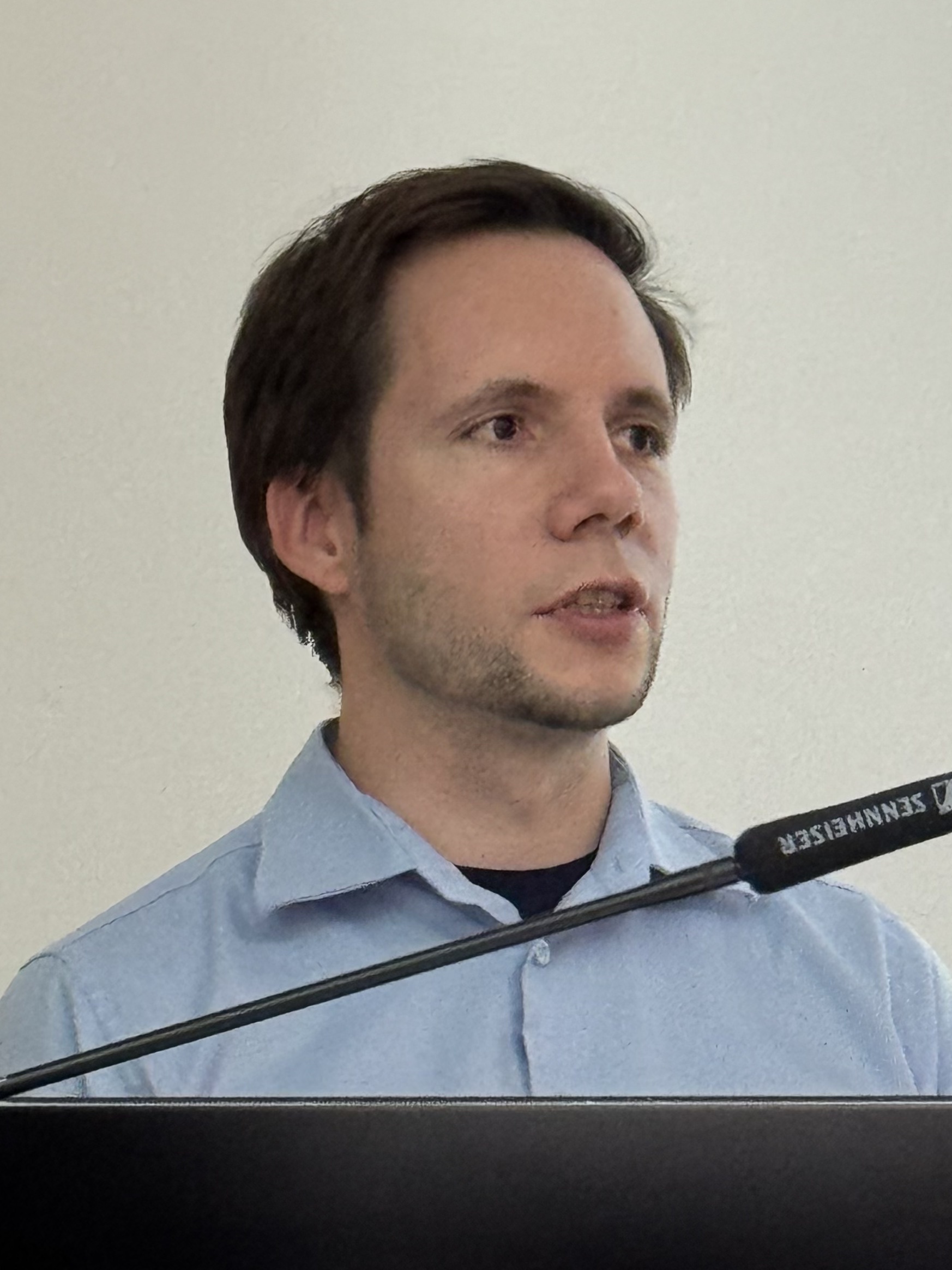
With the participation of Dr. Schaaf, Dr. Marbach, and other international researchers, the meeting united members of the scientific and clinical community to share knowledge and discuss the current state of MASNS research face to face. It provided an opportunity to consider the questions that remain unanswered, identify promising areas for further investigation, and strengthen connections that can support future collaborative work.
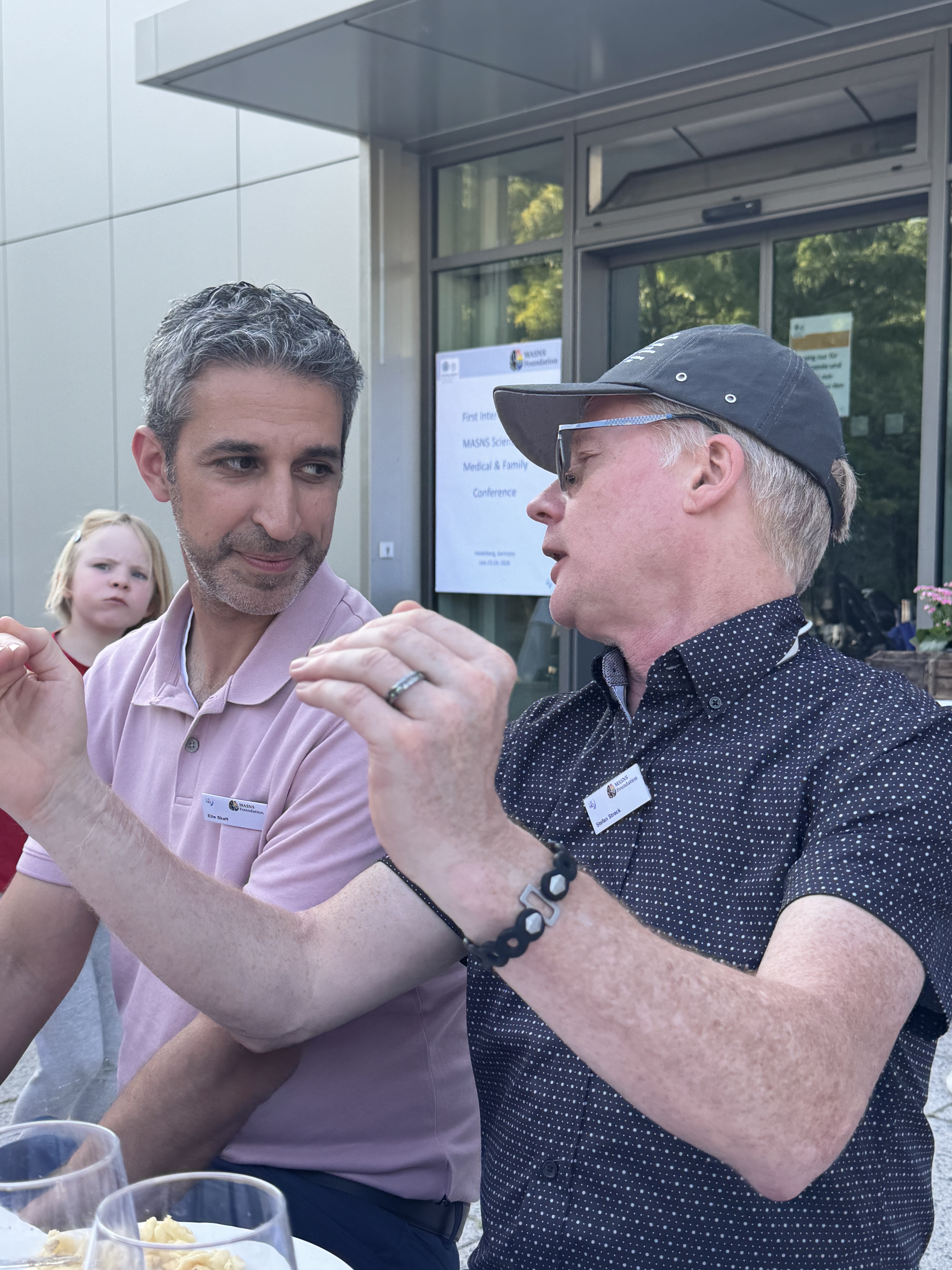
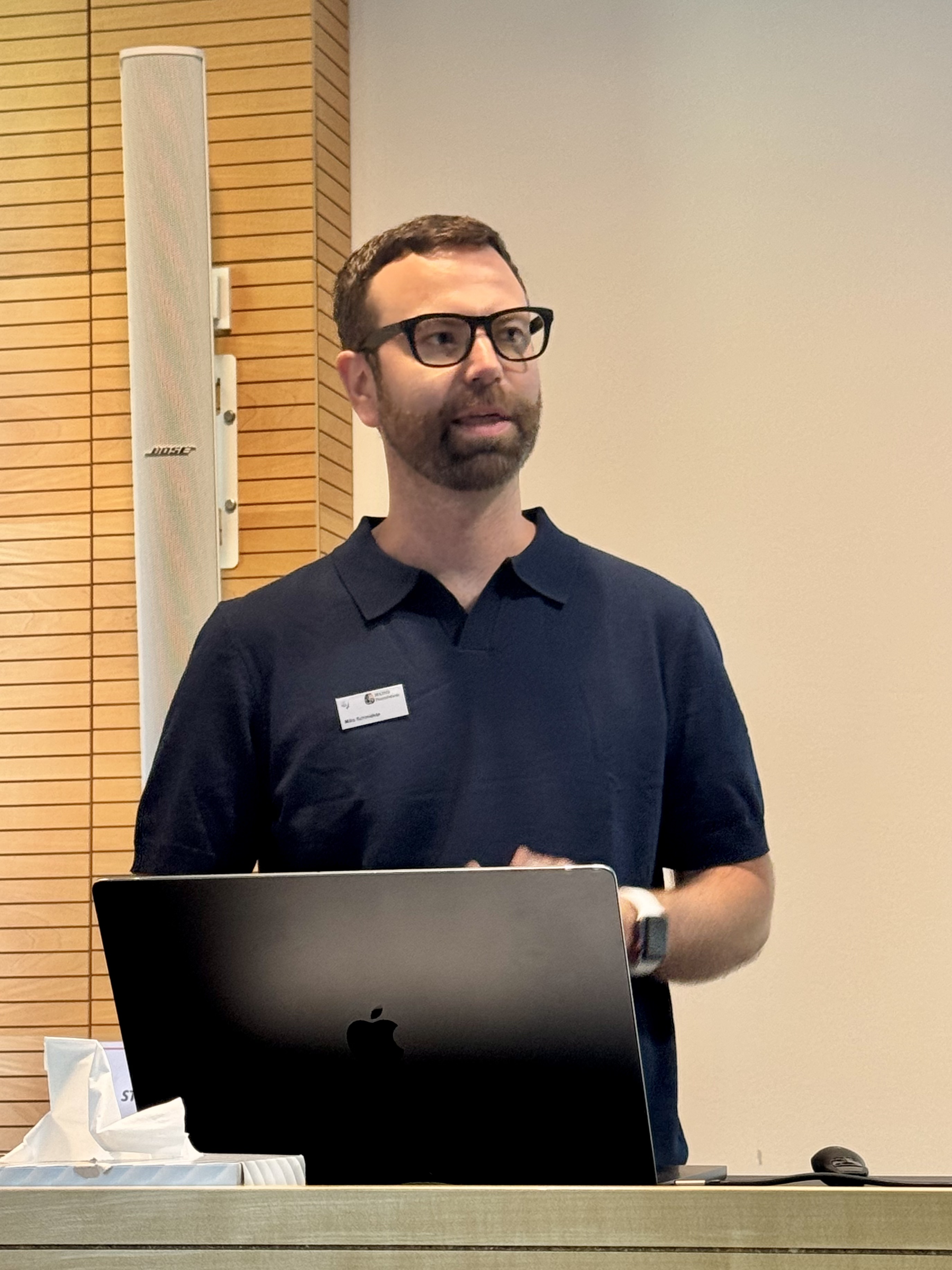
The scientific program brought together researchers investigating MASNS from complementary clinical and molecular perspectives. Dr. Christian Schaaf (Heidelberg University) and Dr. Felix Marbach (University Hospital Bonn) reviewed the history of the disorder’s discovery and provided a summary of the current clinical picture. Dr. Stefan Strack (University of Iowa) introduced a new mouse model his lab has developed for studying MASNS, discussed approaches to evaluating the pathogenicity of PRKAR1B variants, and shared encouraging preliminary animal findings for a potential drug therapy. Dr. Yao Chen (Washington University) presented research exploring the effects of PRKAR1B mutations on sleep, while Dr. Ronit Ilouz (Bar-Ilan University) examined how different PRKAR1B mutations can have divergent effects on protein kinase A (PKA) function. Complementing these studies, Dr. Peter Marschik (Heidelberg University) discussed an emerging diagnostic approach based on profiling the early behavioral characteristics of affected children, and Dr. Peter Henneman (Amsterdam UMC) presented research into epigenetic profiling as a potential diagnostic tool. Together, these presentations highlighted the breadth of ongoing MASNS research, from improving clinical recognition and understanding disease mechanisms to exploring potential therapeutic strategies and developing new approaches to diagnosis.
Although promising research directions are an important source of optimism, much work remains to determine whether experimental findings can ultimately translate into safe and effective treatments for people with MASNS. The discussions in Heidelberg were part of that ongoing process: bringing relevant expertise together, sharing emerging ideas, and helping establish connections that may support the next stages of investigation. For the MASNS Foundation, supporting this work means helping create opportunities for researchers to connect, encouraging the exchange of knowledge, and fostering an environment in which scientific questions can be pursued collaboratively.
A Place for MASNS Families to Connect
The conference was about more than research. It was also about the people whose lives are directly affected by MASNS on a day-to-day basis.
For many families, living with a rare genetic condition can mean navigating unfamiliar medical terminology, searching for reliable information, and facing questions that do not yet have clear answers. It can also mean feeling isolated when so few people have shared similar experiences. Bringing families together from multiple countries and continents created an opportunity to change that experience, even if only for a few days.
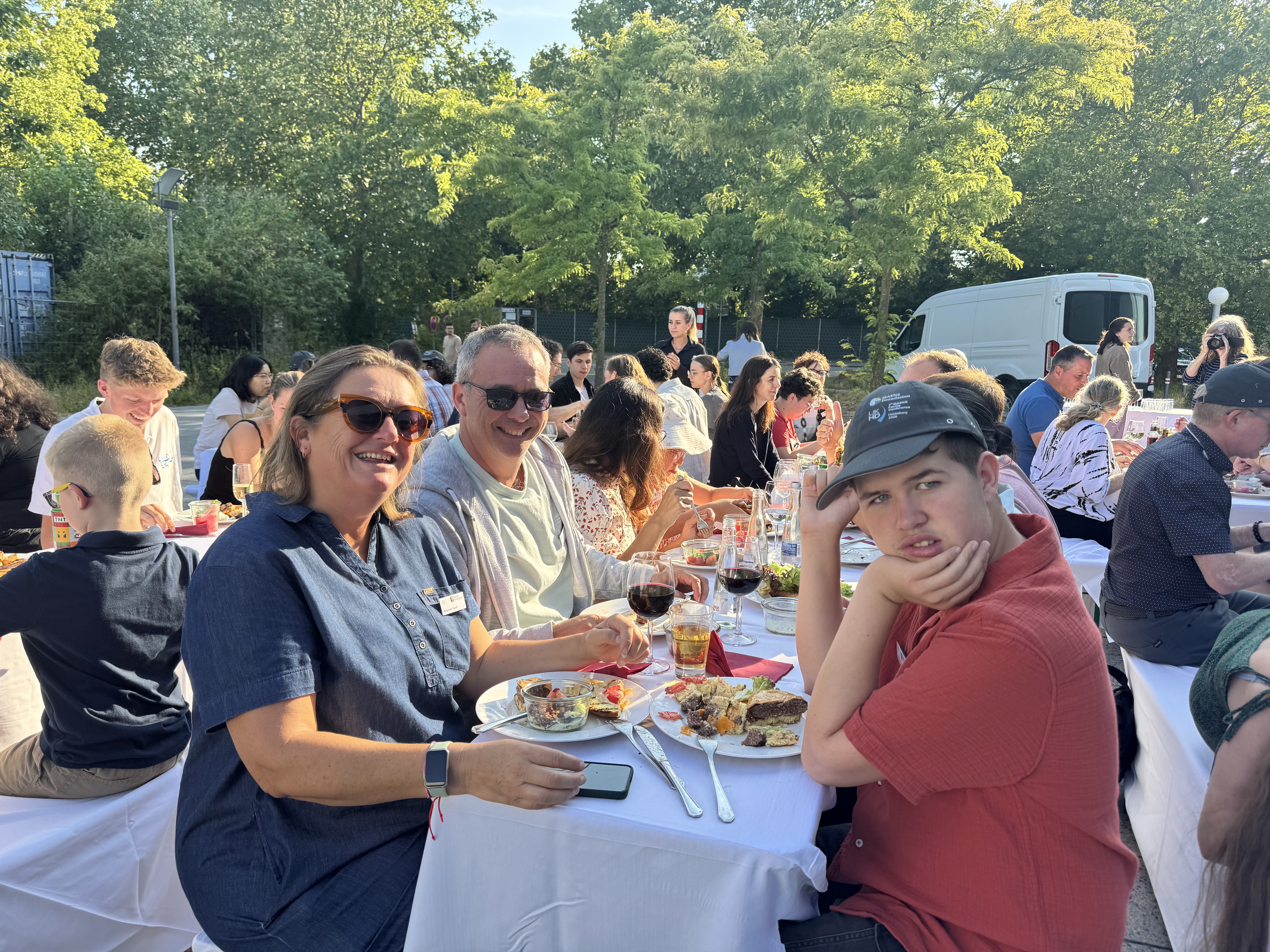
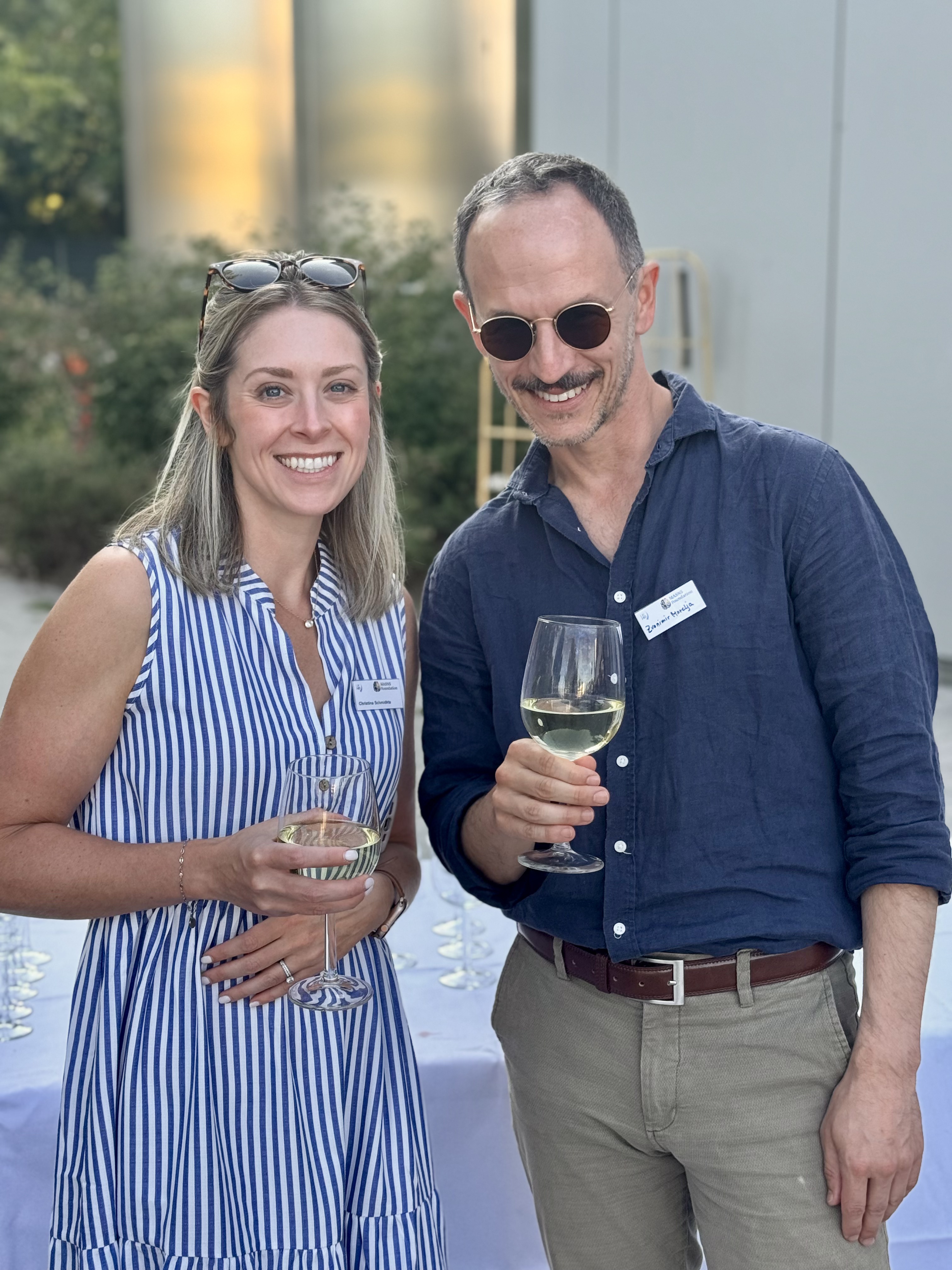
Families were able to meet others who understand many of the distinctive challenges of living with MASNS. They shared their experiences, exchanged perspectives, and built lasting connections. These connections are valuable in their own right. A rare-disease community is strengthened not only by scientific discoveries, but also by relationships among the people living with the condition. Families can learn from one another, feel less alone, and build connections that continue long after a meeting ends. The conference concluded with an emotional family testimonial session, where parents shared the many challenges they’ve faced on their journey to a diagnosis and continue to face in everyday life. These candid personal accounts highlighted many shared sentiments as well as unique challenges resulting from differences in healthcare and support services in various communities.
We hope that the relationships formed in Heidelberg will continue to grow and that future meetings will provide even more families with the opportunity to participate.
Connecting Families with Clinical Expertise
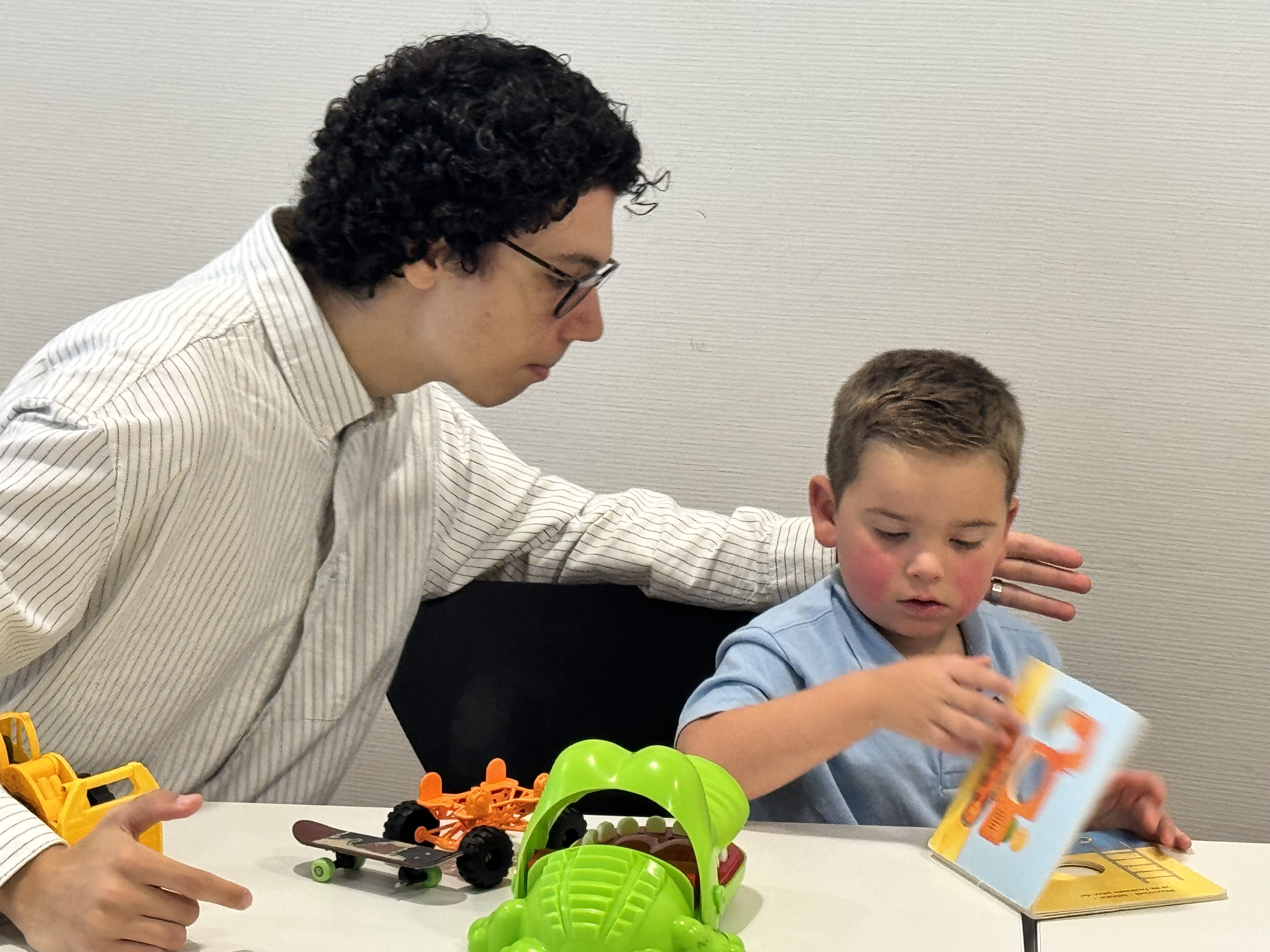
The Heidelberg meeting also created opportunities for families to engage with clinicians and participate in clinical assessments that will help to refine the clinical picture of MASNS. Meaningful progress in rare disease research depends on a continuing exchange between clinicians and the lived experiences of affected individuals. Families have valuable perspectives on the challenges that matter most in daily life, while clinicians and researchers bring specialized knowledge that can help guide further investigation.
The meeting underscored the importance of continued family participation in MASNS research. There is a clear appetite within the research community to engage with more affected families, and broader participation will help researchers build a more complete understanding of the condition’s features, variability, and natural history. The Foundation hopes to help strengthen these connections by supporting opportunities for families to learn about research, connect with clinicians and investigators, and participate in future studies.
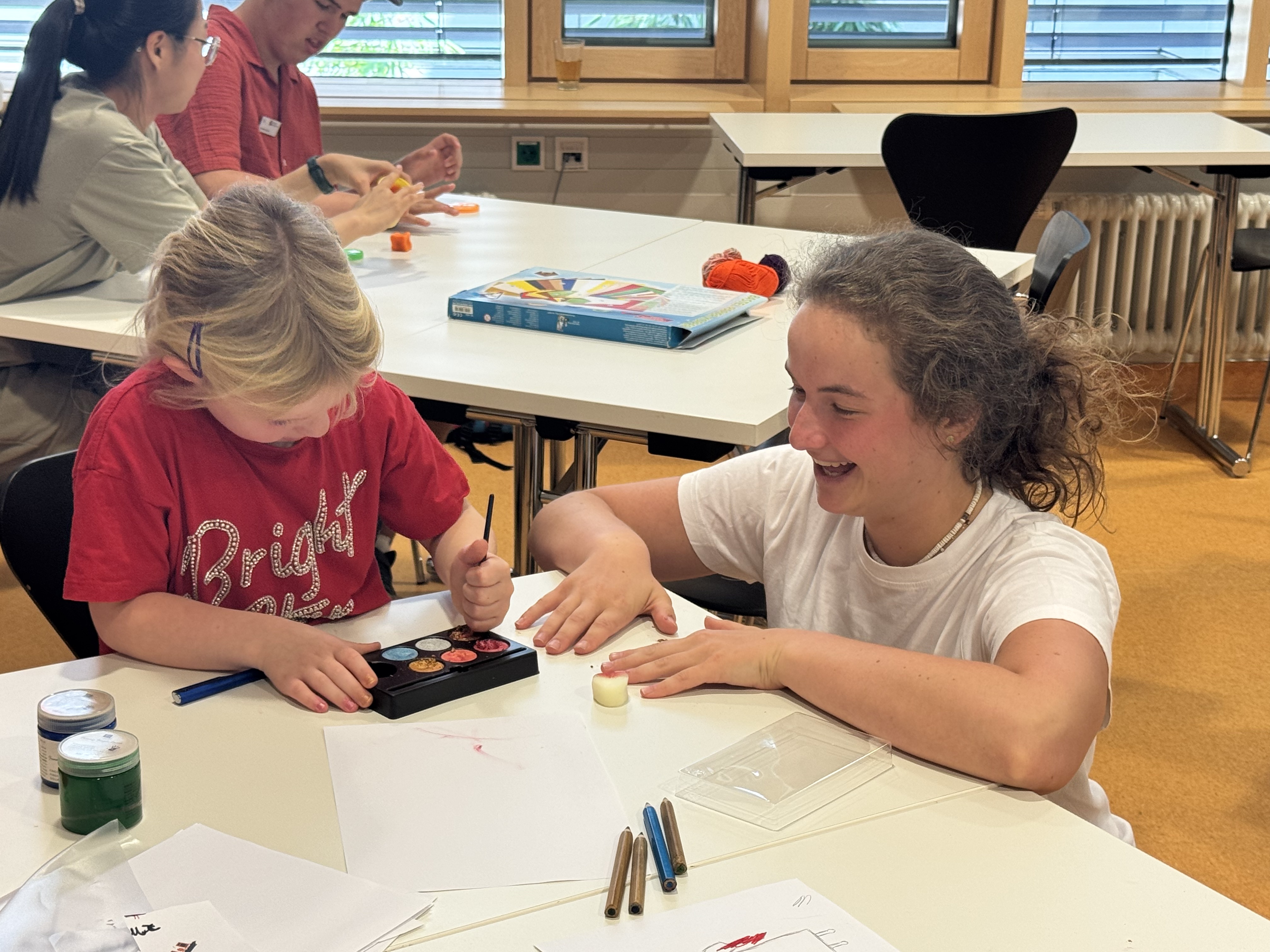
A Warm Welcome in Heidelberg
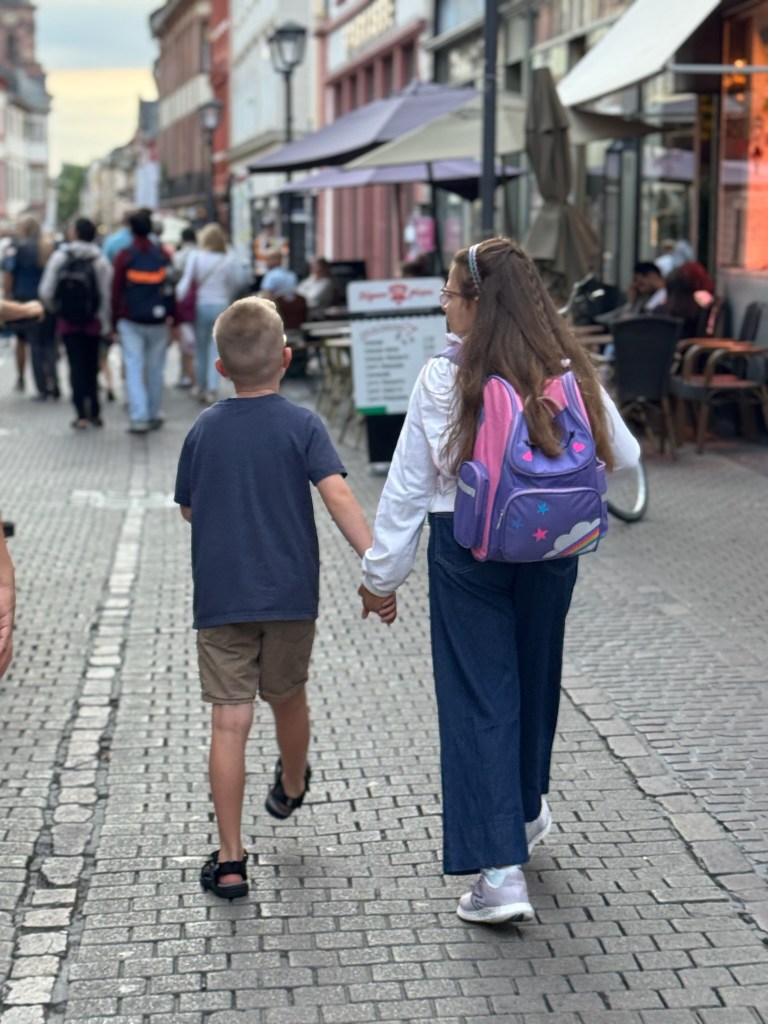
A successful international meeting requires more than a scientific program. It also requires an environment in which families feel comfortable, supported, and welcome. We are especially grateful to Dr. Schaaf, Dr. Pilar Caro, and Heidelberg University Hospital for their generous role in hosting the conference and for the many ways they helped make the experience welcoming for participating families. Their thoughtfulness and attention to the needs of attendees helped create an environment where families could participate in the meeting while managing the practical demands of traveling with children and navigating an unfamiliar setting. For families attending a rare-disease conference, these details matter. A welcoming environment makes it easier to participate, connect with others, and engage with the scientific and clinical discussions taking place. The hospitality shown in Heidelberg was an important part of what made this inaugural gathering possible and helped make the experience meaningful for the families who traveled to attend.
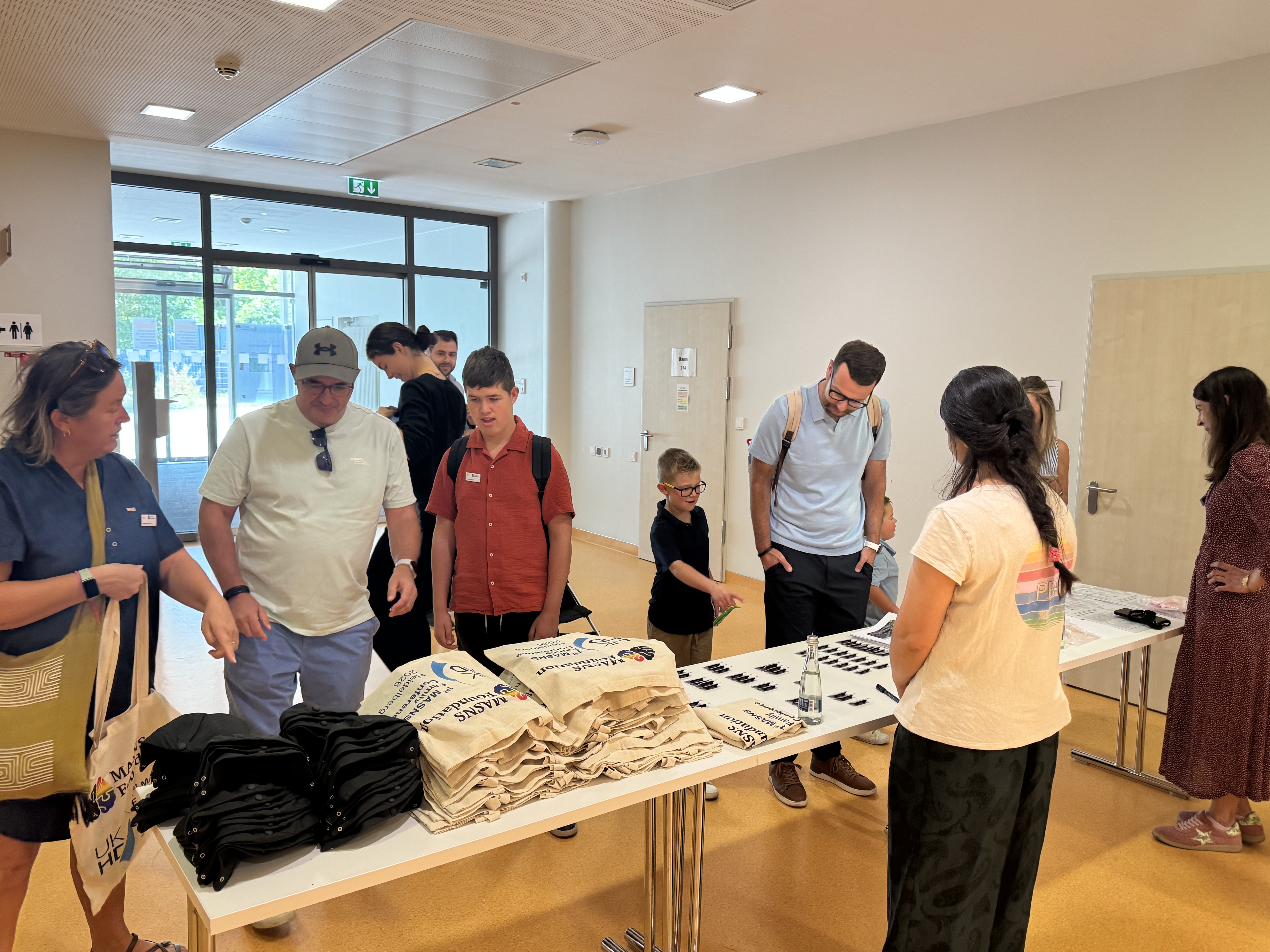
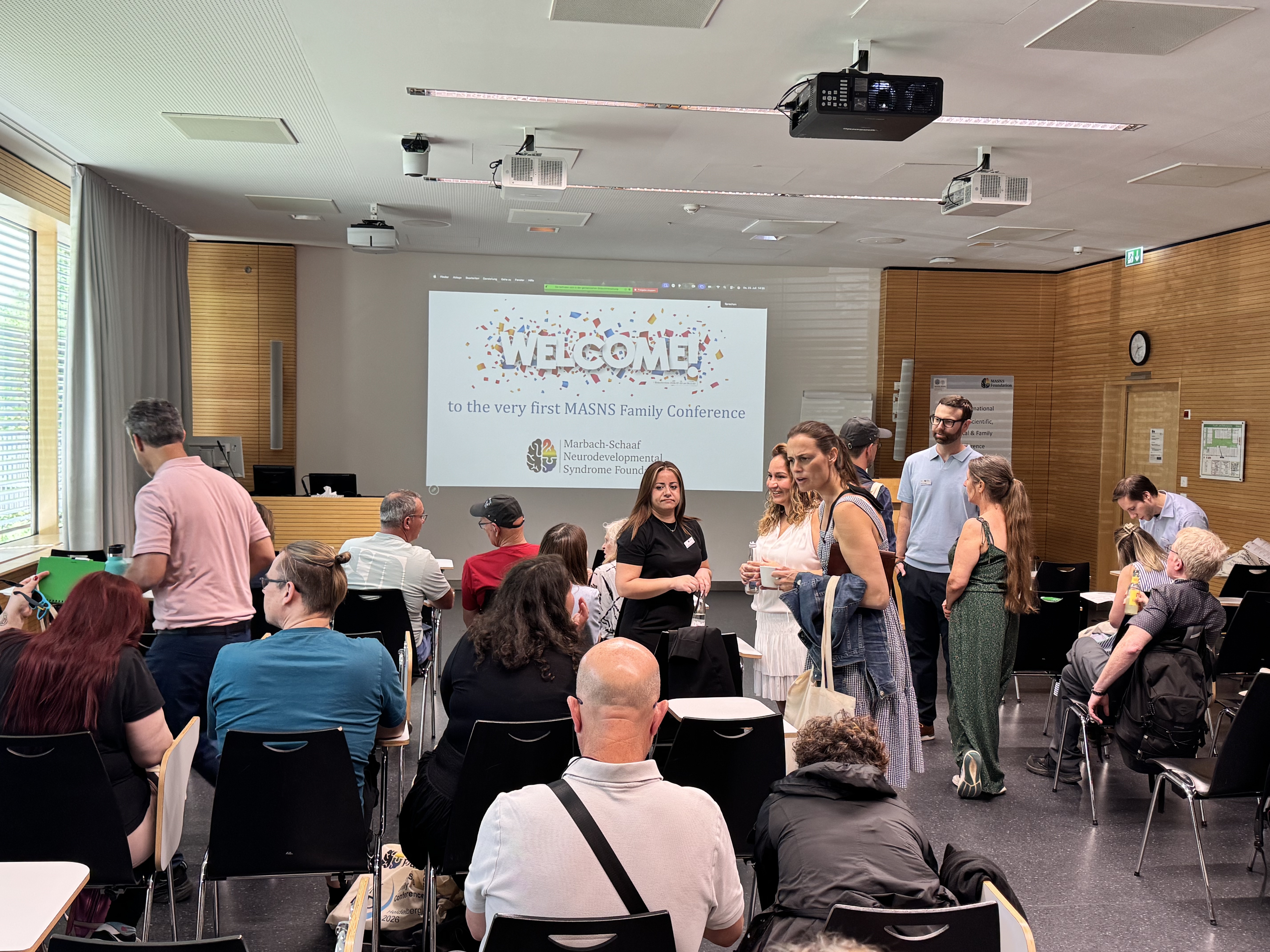
Building Momentum for the Future
The inaugural conference was an important first step, but its significance extends beyond the days spent together in Heidelberg. By bringing families, clinicians, and researchers into the same space, the meeting helped establish relationships that can support continued scientific exchange and collaboration. It also highlighted the need for sustained opportunities to engage families in research and to strengthen connections across the international MASNS community. Plans are already in the works for the next Heidelberg conference to take place in the summer of 2028. The Foundation is also considering plans for a family meet-up event to take place summer of 2027 in the United States. Details for both events will be announced through our social media channels as the planning continues.
The Foundation sees these efforts as part of its broader mission: fostering solidarity among affected families, increasing awareness of MASNS, and supporting research that may improve the lives of those affected by the condition.
The Role of the MASNS Foundation
The Heidelberg conference reflects an important part of why the MASNS Foundation was created and what we hope to accomplish. A foundation serving a rare-disease community can help bridge gaps between families, researchers, and clinicians. By creating opportunities for people to connect and collaborate, the Foundation can help bring attention to shared questions, encourage the exchange of knowledge, and support a more coordinated approach to advancing our understanding of MASNS.
The inaugural meeting demonstrated the value of creating a dedicated gathering for this community. It brought together people who share an interest in improving the lives of individuals affected by MASNS, while providing a setting for scientific discussion, family connection, and the development of relationships that can continue beyond the conference itself. We recognize that meaningful progress will require sustained effort. Many questions about MASNS remain unanswered, and promising research directions must be investigated carefully before their potential clinical value can be established. Continued collaboration, family engagement, and support for research will all be essential to moving forward. The Foundation is committed to helping sustain this momentum and to working with families, clinicians, and researchers toward a future in which more is known about MASNS and more options are available to those affected by it.
Looking Ahead, Together
The inaugural MASNS Scientific, Medical, and Family Conference in Heidelberg was a milestone for a community working to better understand a rare and complex condition. It showed what can happen when families are given opportunities to connect, researchers are brought together to exchange ideas, and clinical expertise is shared in a welcoming and collaborative environment. It helped strengthen relationships across countries, create opportunities for further scientific collaboration, and build momentum for future gatherings.
There is still much to learn, and the path from research findings to meaningful clinical advances can be long. But the connections established in Heidelberg offer a foundation on which the MASNS community can continue to build. We are grateful to everyone who helped make the inaugural conference possible and to the families, clinicians, and researchers whose participation made it meaningful.
Heidelberg was just the beginning. The future is ours to build – together.