Research & Collaboration
We want to work together for the benefit of our families. We aim to collaborate and to foster cooperation between other foundations, research teams, and medical providers – no matter how far apart we may be, by distance or professional discipline.
We believe that the success of MASNS research is ultimately aided by the participation of patients and their families, and we aim to be active contributors to this research. Below is a list of research groups collaborating to study MASNS/PRKAR1B. We meet periodically with these researchers to discuss recent findings and future plans. Please reach out to us (contact@masnsfoundation.org) if you are a researcher looking to join these efforts!
The MASNS Research Collaborative
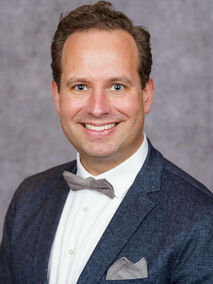
Dr. Christian Schaaf
Heidelberg University Hospital
(Germany)
Dr. Schaaf is the director of the Heidelberg Institute for Human Genetics. The Schaaf lab conducts translational research investigating the genetic basis of neurodevelopmental disorders. Along with Dr. Felix Marbach, Dr. Schaaf’s work led to the first formal description of MASNS in 2021. Dr. Schaaf’s team maintains a registry for all known cases of MASNS.
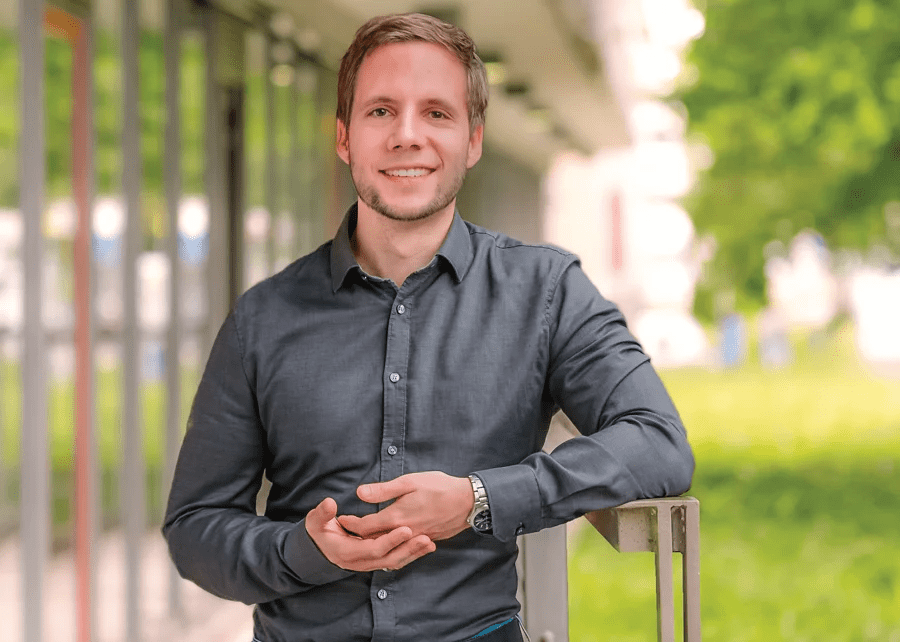
Dr. Felix Marbach
Bonn University Hospital
(Germany)
Dr. Marbach is a clinician and specialist in human genetics at the Bonn Institute for Human Genetics.
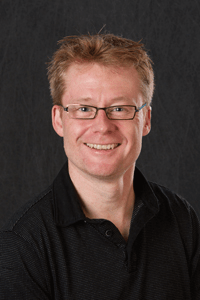
Dr. Stefan Strack
University of Iowa
(United States)
The Strack lab conducts basic and translational research aimed at understanding the pathophysiology of various neurodevelopmental disorders and developing potential treatment strategies to address them. Dr. Strack’s group generated the first mouse model of MASNS and is actively working to identify therapeutics that improve the pathological features of the disorder. Additionally, the lab routinely conducts in vitro and in silico analyses to characterize the pathogenicity of specific PRKAR1B variants.
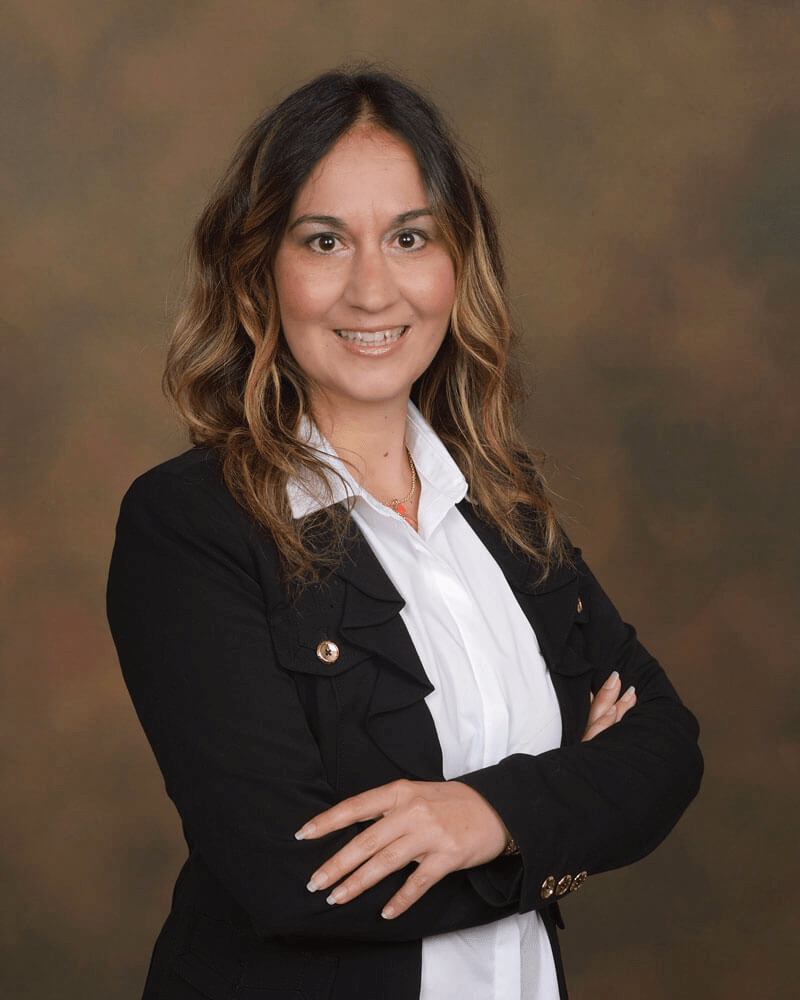
Dr. Ronit Ilouz
Bar-Ilan University
(Israel)
The Ilouz lab studies cellular signaling pathways regulated by kinases such as PKA – the enzyme altered by variants in the PRKAR1B gene. Dr. Ilouz was the first to solve the complete X-ray crystal structure of the PKA RIb holoenzyme, a seminal achievement that has enabled us to understand how specific variants in PRKAR1B cause changes in cellular function.
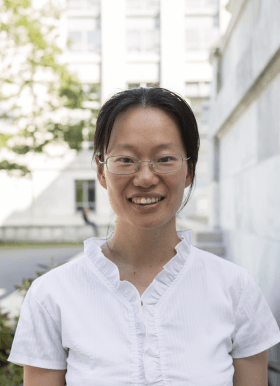
Dr. Yao Chen
Washington University
(United States)
The Chen lab studies the intersection between molecular neuroscience and animal behavior, aiming to better understand how our brains operate differently in different contexts such sleep, learning tasks, or neurological disorders. Dr. Chen has also developed novel tools for measuring PKA activity – the primary enzyme altered in MASNS patients.
Relevant research publications about MASNS and PRKAR1B:
(sorted by publication date)
Maalouf, G. et al. (2026). Novel PRKAR1B Variant Responding to Topiramate in a Lebanese Child. SVOA Paediatrics, 5(1), 8-13.
https://doi.org/10.58624/SVOAPD.2026.05.002
Burkart, S. et al. (2025). Expansion of the Phenotypic and Genotypic Spectrum for PRKAR1B-Related Marbach–Schaaf Neurodevelopmental Syndrome: A Case Series. Clinical Genetics,1-18. https://doi.org/10.1111/cge.70094
Pool, E.H. et al. (2025). Aberrant phase separation of two PKA RIβ neurological disorder mutants leads to mechanistically distinct signaling deficits.Cell Reports, 44(6), 115797. https://doi.org/10.1016/j.celrep.2025.115797.
Benjamin-Zukerman, T. et al. (2024). Allosteric modulation of protein kinase A in individuals affected by NLPD-PKA, a neurodegenerative disease in which the PRKAR1B L50R variant is expressed. FEBS J. 2025 Apr 17. https://doi.org/10.1111/febs.70098.
Benjamin-Zukerman, T. et al. (2024). A mutation in the PRKAR1B gene drives pathological mechanisms of neurodegeneration across species. Brain, 147(11), pp. 3890–3905. https://doi.org/10.1093/brain/awae154.
Glebov-McCloud, A.G.P. et al. (2024). Protein Kinase A in neurological disorders. Journal of Neurodevelopmental Disorders, 16(1), p. 9. https://doi.org/10.1186/s11689-024-09525-0.
Marbach, F. et al. (2022). Phenotypic characterization of seven individuals with Marbach–Schaaf neurodevelopmental syndrome. American Journal of Medical Genetics Part A, 188(9), pp. 2627–2636. https://doi.org/10.1002/ajmg.a.62884.
Marbach, F. et al. (2021). Variants in PRKAR1B cause a neurodevelopmental disorder with autism spectrum disorder, apraxia, and insensitivity to pain. Genetics in Medicine, 23(8), pp. 1465–1473. https://doi.org/10.1038/s41436-021-01152-7.
*This is the first paper describing MASNS as a discrete disorder.
Drougat, L. et al. (2021). Genomic and sequence variants of protein kinase A regulatory subunit type 1β (PRKAR1B) in patients with adrenocortical disease and Cushing syndrome. Genetics in Medicine, 23(1), pp. 174–182. https://doi.org/10.1038/s41436-020-00958-1.
Hoang Trung, H. et al. (2021). Deficiency of the RIβ subunit of protein kinase A causes body tremor and impaired fear conditioning memory in rats. Scientific Reports, 11(1), p. 2039. https://doi.org/10.1038/s41598-021-81515-x.
Wong, T.H. et al. (2014). PRKAR1B mutation associated with a new neurodegenerative disorder with unique pathology. Brain, 137(5), pp. 1361–1373. https://doi.org/10.1093/brain/awu067.
Ilouz, R. et al. (2012). Localization and quaternary structure of the PKA RIβ holoenzyme. Proceedings of the National Academy of Sciences, 109(31), pp. 12443–12448. https://doi.org/10.1073/pnas.1209538109.
Taylor, S.S. et al. (2012). Assembly of allosteric macromolecular switches: lessons from PKA. Nature Reviews Molecular Cell Biology, 13(10), pp. 646–658. https://doi.org/10.1038/nrm3432.
Elphinstone, M.S. et al. (2004). Genomic structure of the human gene for protein kinase A regulatory subunit R1‐beta (PRKAR1B) on 7p22: no evidence for mutations in familial hyperaldosteronism type II in a large affected kindred. Clinical Endocrinology, 61(6), pp. 716–723. https://doi.org/10.1111/j.1365-2265.2004.02155.x.
